Second Grade First Day School I School: A Practical Guide for Educators and Parents
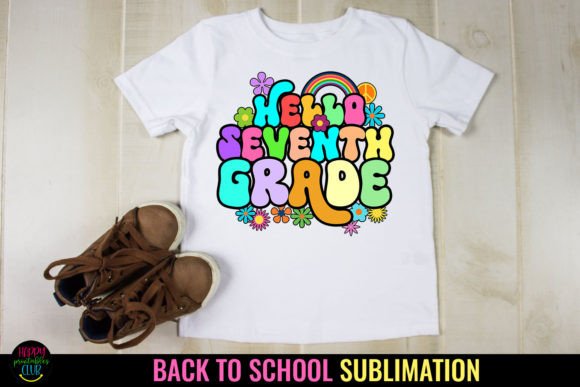
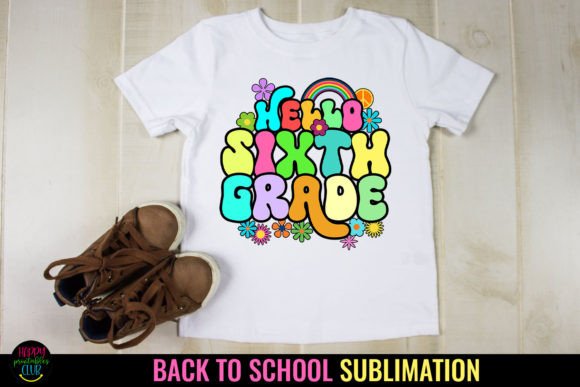
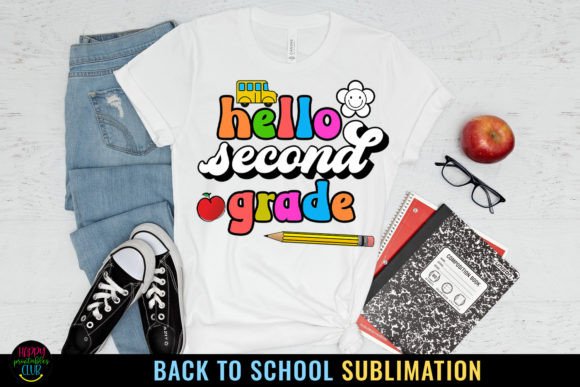
“Second Grade First Day School I School” refers to a ready-to-use digital sublimation design created specifically to celebrate the milestone of a child’s first day in second grade. Unlike generic back-to-school graphics, this design carries intentional visual cues—such as age-appropriate typography, cheerful color palettes, and inclusive, school-themed iconography—that resonate with both children entering their second year of formal elementary education and the adults supporting them. It is not a curriculum tool, learning app, or physical product—but rather a versatile, high-resolution digital asset intended for personalization across everyday items.
What Makes This Design Distinct from Other Back-to-School Graphics?
Many back-to-school designs fall into broad categories: seasonal (e.g., “Welcome Fall!”), grade-agnostic (“First Day of School 2024”), or highly stylized (e.g., cartoon animals with backpacks). The Second Grade First Day School I School design occupies a narrower, more purposeful niche. Its specificity—centering on second grade—adds emotional resonance for families marking this developmental transition. Children at this age are typically gaining independence in reading, writing, and classroom routines; the design reflects that quiet confidence without infantilizing or overcomplicating the imagery.
The inclusion of “I School” in the title suggests a gentle emphasis on identity and belonging—a subtle but meaningful distinction from designs that focus solely on academic achievement or school logistics. Visually, it avoids cluttered layouts or excessive text, favoring clean lines and balanced spacing suitable for small-format applications like water bottle decals or notebook covers.
How It Compares Across Common Use Cases
Digital sublimation files vary widely in resolution, format compatibility, and adaptability. This particular design delivers a single PNG file at 12 x 12 inches and 300 DPI—standard for professional heat-transfer printing. That makes it well-suited for t-shirts, tumblers, tote bags, mugs, journals, and invitations where crisp detail matters. However, its fixed size and lack of layered source files (e.g., PSD or SVG) mean it’s less flexible for advanced editing tasks—like isolating individual elements for custom rearrangement or scaling beyond 12 inches without interpolation loss.
Compared to vector-based alternatives (e.g., SVG or EPS files), this PNG offers immediate usability for beginners using basic design software or print-on-demand platforms—but limits scalability and color adjustment precision. For someone planning bulk orders across multiple product types, a vector version would allow smoother resizing and easier color replacement. Yet for parents or teachers creating a few personalized items for home or classroom use, the PNG strikes a practical balance between quality and accessibility.
Realistic Strengths and Tradeoffs
Strengths:
- Ready for immediate use—no design skills required to apply it to common sublimation blanks.
- Optimized resolution ensures clarity on standard-sized apparel and accessories.
- Thematic alignment with second-grade developmental milestones adds authenticity over generic alternatives.
- Digital delivery means instant access—no shipping delays or inventory management.
Tradeoffs:
- No editable layers or source files—modifications like changing text, swapping colors, or repositioning elements require image-editing proficiency and may degrade quality.
- Color fidelity depends on device calibration and printer profiles; what appears vibrant on screen may shift slightly when printed on fabric or ceramic.
- Limited customization scope—if your school uses specific mascots, colors, or bilingual messaging, this design won’t accommodate those without significant manual editing.
- No software support is included, so users must independently verify compatibility with their preferred tools (e.g., Cricut Design Space, Silhouette Studio, or sublimation RIP software).
When This Design Fits—and When It Might Not
This resource works best for individuals who value simplicity, timeliness, and thematic relevance over deep customization. Consider it ideal if you’re:
- A parent preparing a “first day outfit” for your second grader and want a cohesive look across shirt, water bottle, and lunchbox.
- A teacher creating welcome materials for a new class—perhaps printed on name tags, classroom posters, or student journals.
- A small business owner offering personalized back-to-school merchandise and need a reliable, on-brand design that appeals to families with children aged 7–8.
It may be less appropriate if you need:
- Multiple language versions (e.g., Spanish or bilingual English/Spanish) — the text is embedded in the raster image and not editable as live type.
- Brand alignment with a school’s official logo, colors, or mascot—this design operates independently of institutional branding guidelines.
- Adaptation for special education contexts requiring simplified visuals, larger text, or sensory-friendly palettes—the current version follows general aesthetic conventions but isn’t designed with those accommodations in mind.
- Long-term reuse across multiple school years—while timeless in tone, the “Second Grade” label anchors it to a single academic year unless manually altered.
Practical Tips for Getting the Most From Your Download
Before purchasing, confirm your workflow supports PNG files at 300 DPI. Most modern sublimation printers and cutting machines handle this without issue—but double-check compatibility with your specific hardware and software stack. If you plan to resize significantly, test a small batch first: print on a scrap tumbler or fabric swatch to assess sharpness and color accuracy under real conditions.
For best results on light-colored substrates (white mugs, natural cotton tees), the design will reproduce most faithfully. On dark or textured surfaces, consider whether a white underbase layer is needed—some sublimation systems require that step for opacity, which this file doesn’t pre-include.
Also keep in mind that while the ZIP contains only one file, its versatility across products means you can repurpose it thoughtfully—not just as decoration, but as part of a broader orientation strategy. A matching journal cover paired with a themed pencil pouch, for example, helps signal continuity and calm for a child adjusting to new expectations in second grade.
Alternatives Worth Considering
If your goals extend beyond single-grade celebration, broader collections—including multi-grade bundles or editable templates with interchangeable grade numbers—may offer better long-term value. Similarly, if you work frequently with schools or districts, licensed clipart libraries or education-focused design marketplaces often provide scalable assets with usage rights for institutional projects.
For educators seeking pedagogical integration—not just aesthetics—complementary resources like printable second-grade goal-setting worksheets, classroom job charts, or behavior trackers may pair more directly with instructional priorities than decorative sublimation files alone.
Making an Informed Choice
Choosing a digital sublimation design like Second Grade First Day School I School isn’t about finding the “best” option universally—it’s about matching the right tool to your specific context, skill level, and intended outcome. Its value lies in focused relevance, production readiness, and emotional appropriateness for a meaningful academic milestone. It won’t replace thoughtful lesson planning or personalized family communication—but it can meaningfully reinforce both, quietly and consistently, across the objects children interact with every day.
As with any digital creative asset, success depends less on the file itself and more on how intentionally it’s applied. Whether used to spark conversation with a nervous second grader, unify a classroom community, or simply add warmth to a routine morning ritual, this design serves as a small but deliberate anchor—one that says, clearly and kindly: This is your year. You belong here.